/
Aleksandra Wawak: Traces of the Landscape

Ceramic objects that translate traces of landscape into form through natural materials, organic fibres, and handmade tools.
Aleksandra Wawak is a multidisciplinary artist working primarily with ceramics, fibre, and material-based installation. Her practice explores relationships between landscape, memory, embodied labour, and archaeological forms.
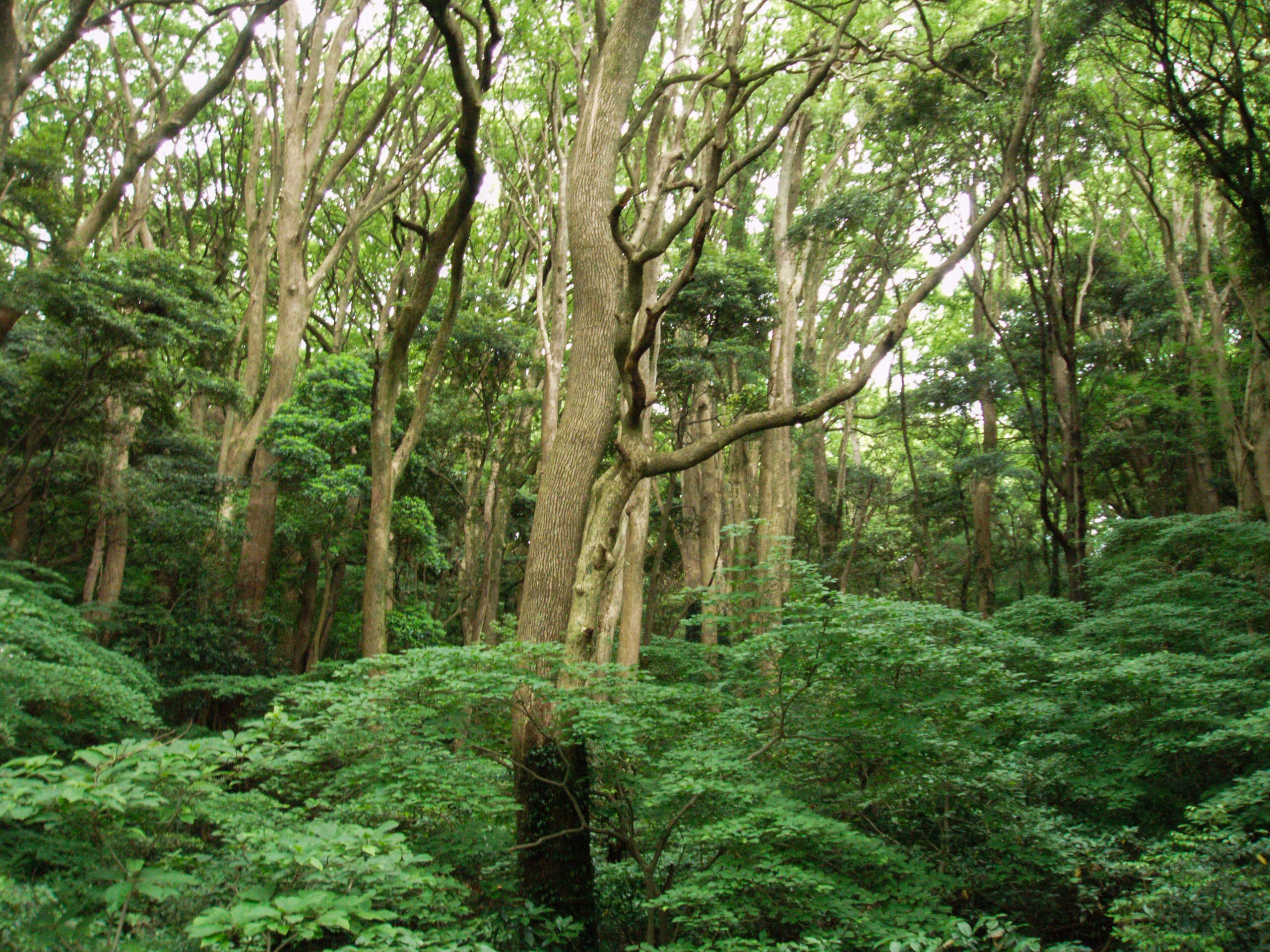
Through processes involving gathered organic matter, earth materials, and hand-built structures, she investigates how traces of place can become embedded within surface, form, and material behaviour. Her recent work focuses on coastal environments and the transformation of vernacular and archaeological references into contemporary sculptural objects.
“My practice investigates how landscape can function as a carrier of memory through material contact, erosion, and accumulation.”
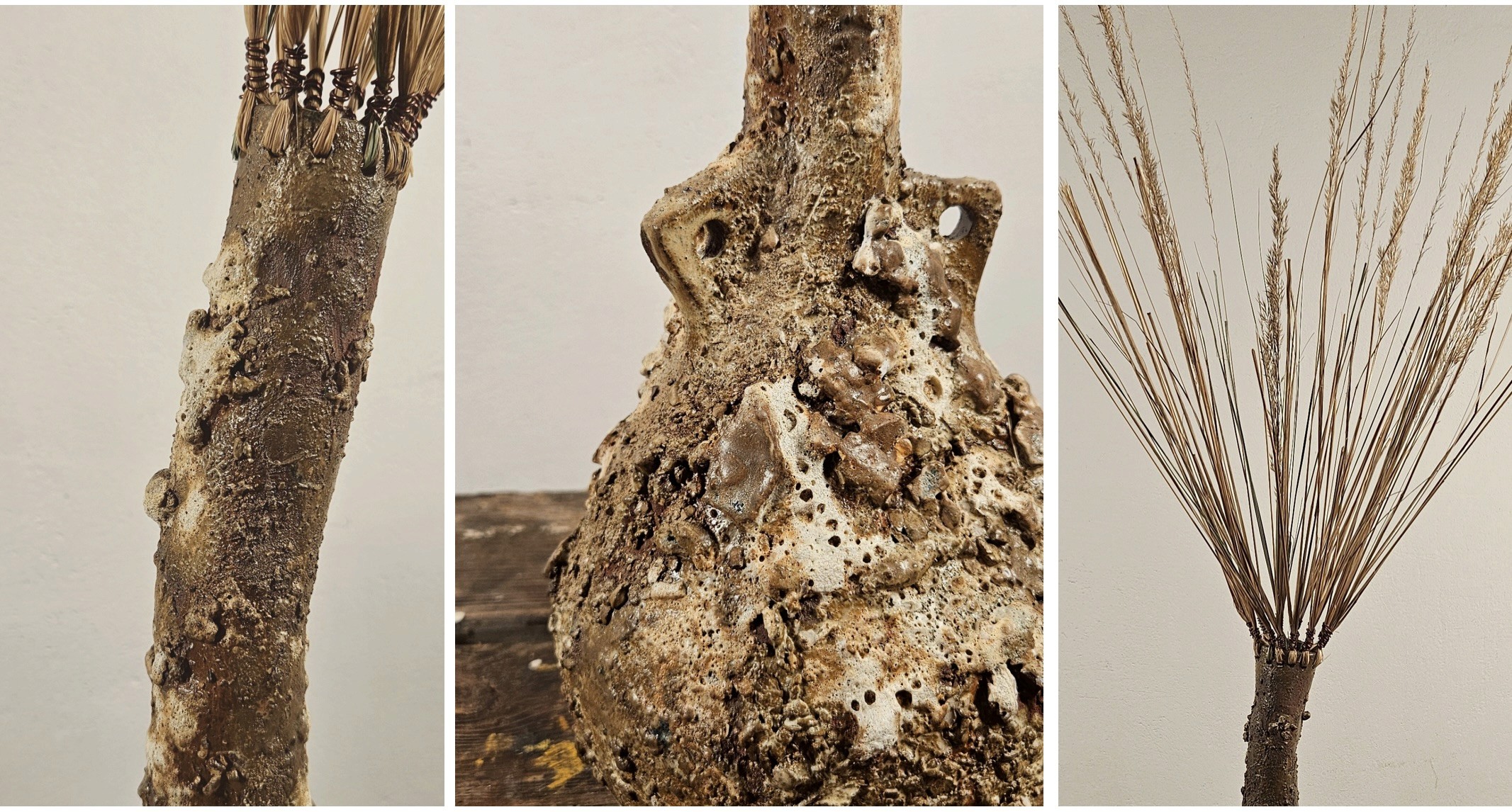
Working primarily with clay, organic fibres, and gathered natural matter, Wawak approaches surface as a site where environmental traces are physically embedded rather than represented. Sand, stones, grasses, ash, fragments, and pressure marks become active participants in the construction of the work.
This material-led approach is at the centre of Traces of the Landscape I–II, a sculptural ceramic series shaped through direct contact with the Baltic coastal landscape. The works draw loosely from anthropomorphic face urns of the Pomeranian culture, using the vessel as a way of thinking about memory, presence, and the traces carried by material over time.
Sand, stones, sea grass, crushed clay, and organic remains gathered from the shoreline are pressed into the surfaces during the making process. Marks are created using tools constructed from collected grasses, allowing textures of the landscape to become physically embedded within the clay.
“I approach surface as a site where environmental traces are physically embedded rather than represented.”
Plant fibres are integrated into the structures as active construction elements, holding and binding the forms while introducing a woven logic into the ceramic process. The objects move between vessel, body, textile structure, and archaeological residue.
Rather than representing landscape, the series emerges through repeated physical encounters with it — through gathering, erosion, pressure, imprint, and touch. In this sense, the works become records of contact: between artist and landscape, material and hand, the present and what has come before.
“I am interested in objects that exist between categories: vessel and body, ceramic and textile, artefact and residue.”
These shifting categories are central to Wawak’s practice. Many of her works emerge through slow, repetitive hand processes that mirror forms of gathering, weaving, imprinting, and weathering. References to archaeological objects and vernacular forms appear not as reconstruction, but as a way of thinking about continuity, disappearance, and material memory.
“I am particularly drawn to how objects survive as partial records of touch, landscape, labour, and ritual.”
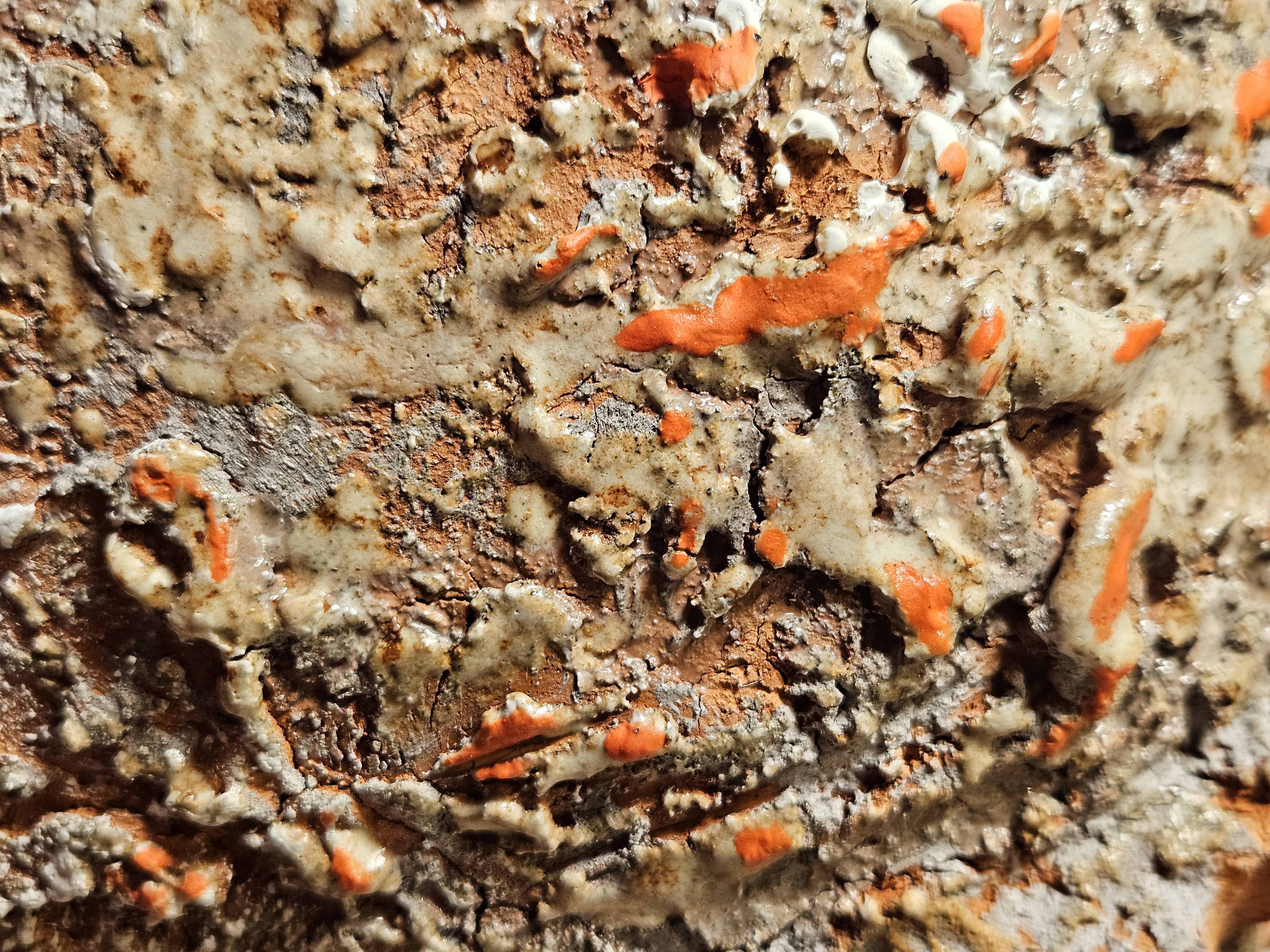
Alongside the ceramic works, Wawak’s material research traces a process of landscape observation, collection, transformation, and sculptural experimentation. Working with the Baltic Sea shoreline, she gathers sand, shells, grasses, stones, local soils, and sediments directly from the surrounding ecosystem. Organic materials are dried and processed, plant matter is burned into ash, and clay is tested and transformed through experimentation.

Plant ash glazes, mineral additives, and test tiles become part of a growing material archive derived from the Baltic Sea ecosystem. Plant impressions in clay, woven organic fibres, and site-responsive materials are then brought together in sculptural forms, translating ecological elements of the landscape into ceramic material through collection, transformation, and experimentation.
“Through these processes, I examine how matter can retain traces of place long after the original environment or body is absent.”
Across these works, landscape is not simply a subject to be depicted. It is gathered, handled, pressed, woven, transformed, and carried into another form, leaving behind traces of place within the material itself.


share