About
Who we are
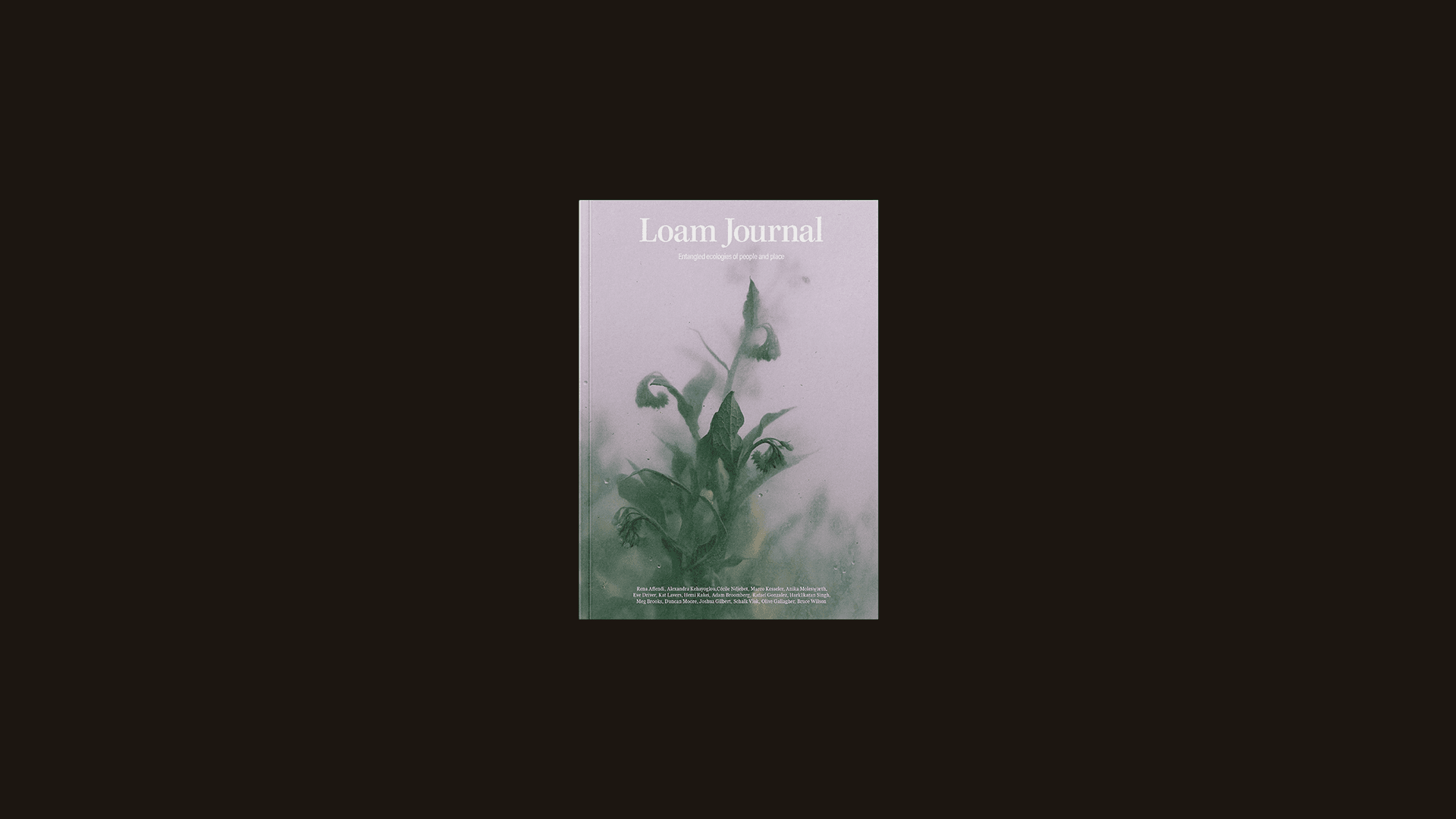
Loam Journal is an independent print publication bringing together stories, reflections, and creative work from those living in close connection with land and community. Rooted in place and guided by care and curiosity, it offers a space to pause and imagine how we might live thoughtfully with the world around us.
Who we are
Loam Journal is an independent print publication bringing together stories, reflections, and creative work from those living in close connection with land and community. Rooted in place and guided by care and curiosity, it offers a space to pause and imagine how we might live thoughtfully with the world around us.
Who we are
Loam Journal is an independent print publication bringing together stories, reflections, and creative work from those living in close connection with land and community. Rooted in place and guided by care and curiosity, it offers a space to pause and imagine how we might live thoughtfully with the world around us.
A word from me
This journal began with a question I could not shake: How do we live in right relationship with the Earth? For me, this question lies at the very root of everything. How can we meet the urgent needs of the moment, feeding our communities and adapting to a changing climate, while also beginning to dismantle the extractive systems that brought us here? How do we grow food in ways that restore rather than deplete? Above all, I wanted to understand what it means to participate in regeneration, to listen to the land not simply as a resource, but as a living being and a keeper of knowledge. As an ode to soil, Loam takes its name from the richest of soils, where clay, silt, and sand form a delicate balance. Clay holds nutrients tightly, silt allows them to flow, and sand creates the space to breathe. This balance mirrors the deeper ecology I want to explore with the journal. Clay speaks to the grounding strength of tradition and ancestral memory. Silt carries the gentle transmission of ideas and culture. Sand creates the space to imagine, experiment, and grow. None alone can bring renewal, it is their coexistence that makes regeneration possible. Like soil, our communities and ecosystems depend on this delicate diversity to thrive. With love, Isabel
A word from me
This journal began with a question I could not shake: How do we live in right relationship with the Earth? For me, this question lies at the very root of everything. How can we meet the urgent needs of the moment, feeding our communities and adapting to a changing climate, while also beginning to dismantle the extractive systems that brought us here? How do we grow food in ways that restore rather than deplete? Above all, I wanted to understand what it means to participate in regeneration, to listen to the land not simply as a resource, but as a living being and a keeper of knowledge. As an ode to soil, Loam takes its name from the richest of soils, where clay, silt, and sand form a delicate balance. Clay holds nutrients tightly, silt allows them to flow, and sand creates the space to breathe. This balance mirrors the deeper ecology I want to explore with the journal. Clay speaks to the grounding strength of tradition and ancestral memory. Silt carries the gentle transmission of ideas and culture. Sand creates the space to imagine, experiment, and grow. None alone can bring renewal, it is their coexistence that makes regeneration possible. Like soil, our communities and ecosystems depend on this delicate diversity to thrive. With love, Isabel
A word from me
This journal began with a question I could not shake: How do we live in right relationship with the Earth? For me, this question lies at the very root of everything. How can we meet the urgent needs of the moment, feeding our communities and adapting to a changing climate, while also beginning to dismantle the extractive systems that brought us here? How do we grow food in ways that restore rather than deplete? Above all, I wanted to understand what it means to participate in regeneration, to listen to the land not simply as a resource, but as a living being and a keeper of knowledge. As an ode to soil, Loam takes its name from the richest of soils, where clay, silt, and sand form a delicate balance. Clay holds nutrients tightly, silt allows them to flow, and sand creates the space to breathe. This balance mirrors the deeper ecology I want to explore with the journal. Clay speaks to the grounding strength of tradition and ancestral memory. Silt carries the gentle transmission of ideas and culture. Sand creates the space to imagine, experiment, and grow. None alone can bring renewal, it is their coexistence that makes regeneration possible. Like soil, our communities and ecosystems depend on this delicate diversity to thrive. With love, Isabel
Join us
Be the first to hear about workshops, events, recipes and special features created for our community.
Join us
Be the first to hear about workshops, events, recipes and special features created for our community.
Join us
Be the first to hear about workshops, events, recipes and special features created for our community.

